Saxony: A setting for German history
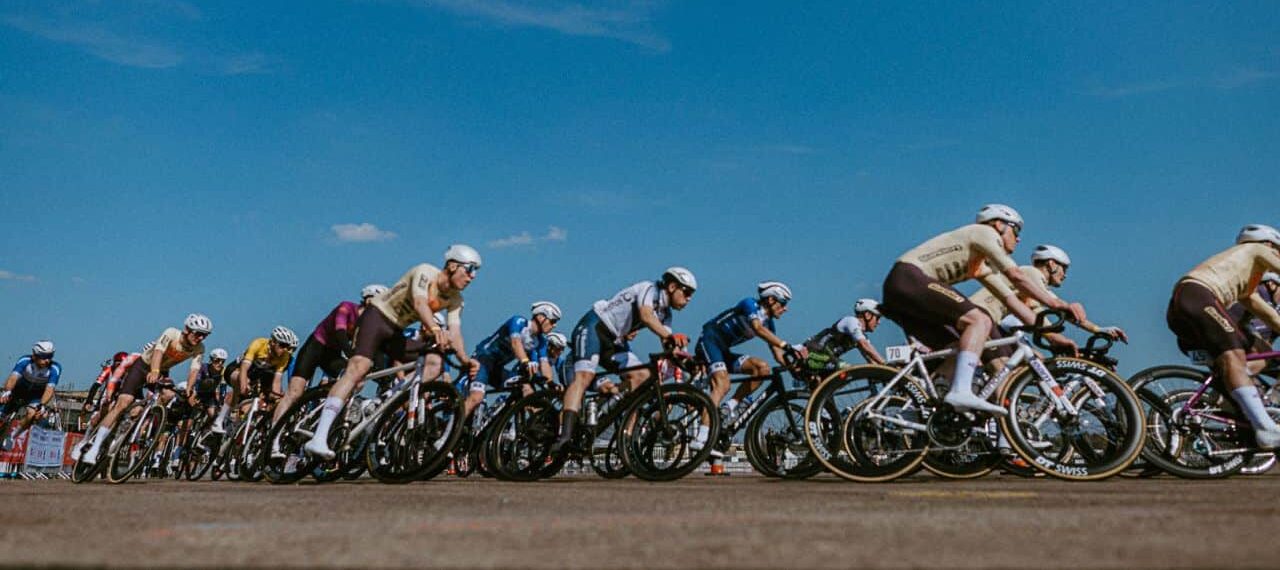
Adobe Stock / WE RIDE GMBH
The host regions of our vision – Part 1: Saxony
From the peaks of the Erzgebirge to the rock formations of the Saxon Switzerland and the lake landscapes around Leipzig: Saxony is a land of contrasts. A region with impressive nature, a long cycling tradition and a rich history. As part of the German bid for the Grand Départ of the Tour de France 2029, the state is bringing much more than just enthusiasm for cycling. Saxony has been a key political supporter of our vision from the very beginning and forms a central pillar of the joint bid.
Spectacular landscapes and cycling tourism
Hardly any other perspective offers such diverse insights into a region as that from a bicycle saddle. In Saxony, relaxed river bike trails, challenging mountain trails, and varied gravel routes are often located just a few kilometers apart. One of the most famous examples is the Elberadweg. It connects the spectacular sandstone formations of the Elbe Sandstone Mountains with the state capital Dresden, the vineyards around Radebeul and Meißen, and the historic cities of the Elbe Valley. The Elbe Trail has been one of the most popular cycling routes in Germany for many years.
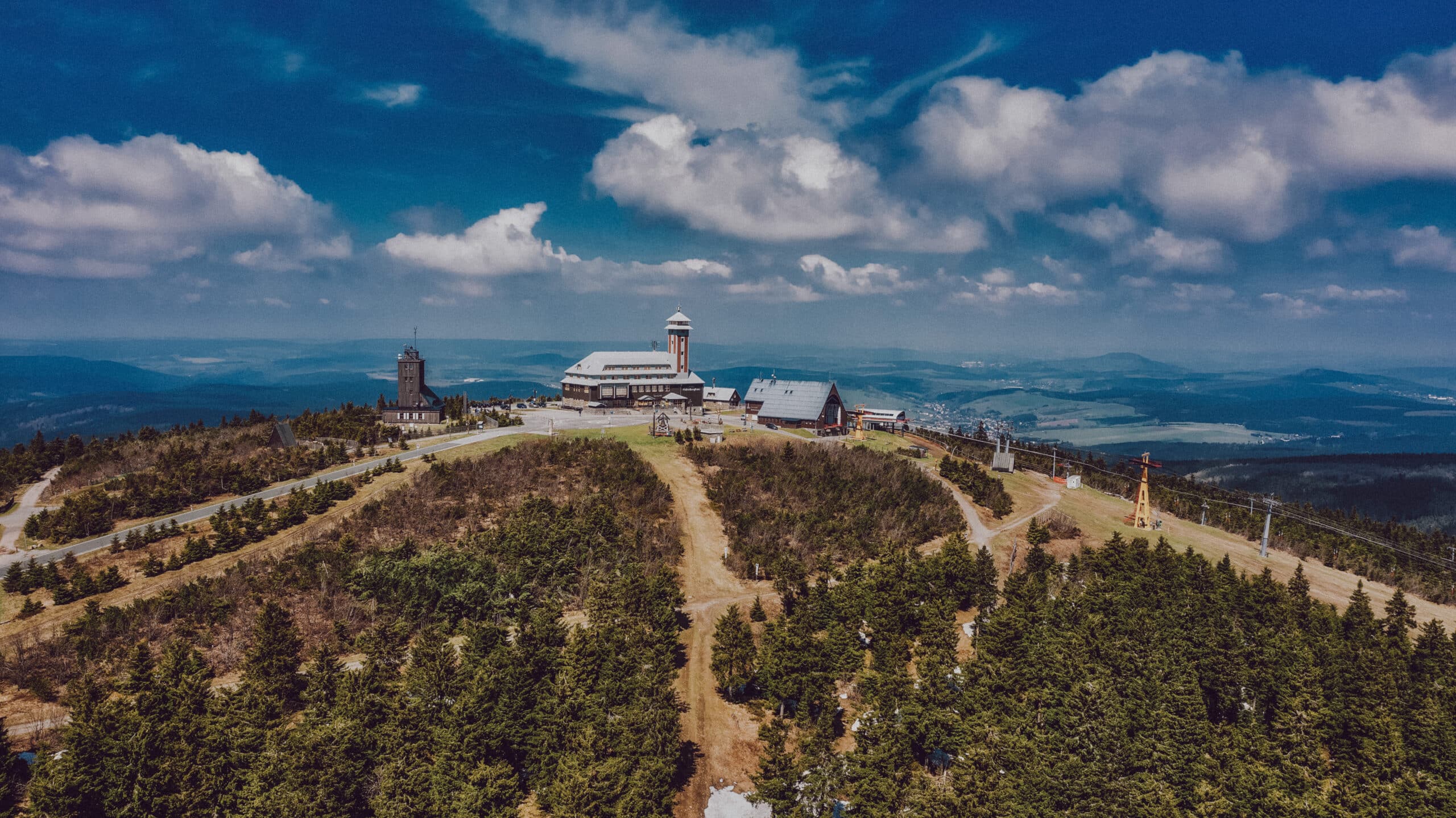
Things get significantly more sporty in the Erzgebirge. Here, demanding climbs, extensive forests and expansive panoramic views await. With the Stoneman Miriquidi Road The region offers a special challenge for female cyclists in the Saxon-Bohemian Central Highlands. The Upper Lusatia and Zittauer Gebirge also offer varied opportunities for cycling tourism. The Oder-Neiße Cycle Route leads through historic cities such as Zittau and Görlitz, while around Leipzig the New Seeland shows how former mining areas can be transformed into new recreational areas with numerous cycling routes. Whether it’s a race bike, gravel bike, mountain bike or classic cycling tour: Saxony offers diverse opportunities to discover landscape, culture and history on two wheels.
From the Peace Ride to the Modern Cycling Culture
Sachsen is not only an attractive cycling destination. The state has a long and vibrant history in cycling. For decades, the enthusiasm for cycling has been fueled by the International peace journey Generations of people have made the region an important venue for international cycling. This enthusiasm is still felt today. The Saxon Cyclists' Association, Founded in 1891 in Leipzig, it currently unites around 125 clubs and cycling departments with about 3,500 members. One example is the RSV 54 Venusberg in the Erzgebirge. The club has produced numerous talents, including Marcus Burghardt, who won a stage of the Tour de France in 2008.
With traditional races such as the Erzgebirge Tour, to whom Sachsenring Grand Prix and the Neuseen Classics as well as events such as the Velorace Dresden or the extraordinary long-distance challenge Maurice Brocco 400 It shows the diversity of Saxon cycling culture.
The bicycle industry has also been closely linked to Saxony for more than a century. As early as the end of the 19th century, the region around Chemnitz developed into an important location for bicycle production. Today, the spectrum ranges from traditional bicycle manufacturers and specialized frame builders to modern manufacturing processes and innovative high-tech products that are also used in international professional cycling. For those who want to get an overview: The industry network Cycling Saxony connects numerous actors in this versatile bicycle industry.
The Peaceful Revolution: Saxony as a Setting for German History
The special significance of Saxony for our vision becomes particularly apparent when looking at German history. In the autumn of 1989, Saxony became one of the central scenes of the Peaceful Revolution, The fall of the Berlin Wall in 1989 marked the end of the GDR and the beginning of German unity. In Leipzig, more and more people gathered for Monday demonstrations. In Plauen, thousands took to the streets on October 7th and resisted the security forces. In Dresden, the events surrounding the Prague exit trains led to protests and clashes. On October 9th, 1989 in Leipzig, it became a decisive moment of the Peaceful Revolution: around 70,000 people peacefully demonstrated despite the fear of a violent intervention by the security forces for freedom and democratic changes. The events of those weeks not only changed Saxony but also the whole of Germany and Europe. A month later, on November 9th, 1989, the Berlin Wall fell.
In 2029, the Peaceful Revolution will mark its 40th anniversary. A possible Grand Départ of the Tour de France could add another special chapter to Saxony’s rich history.
#granddepartallemagne #granddepart2029