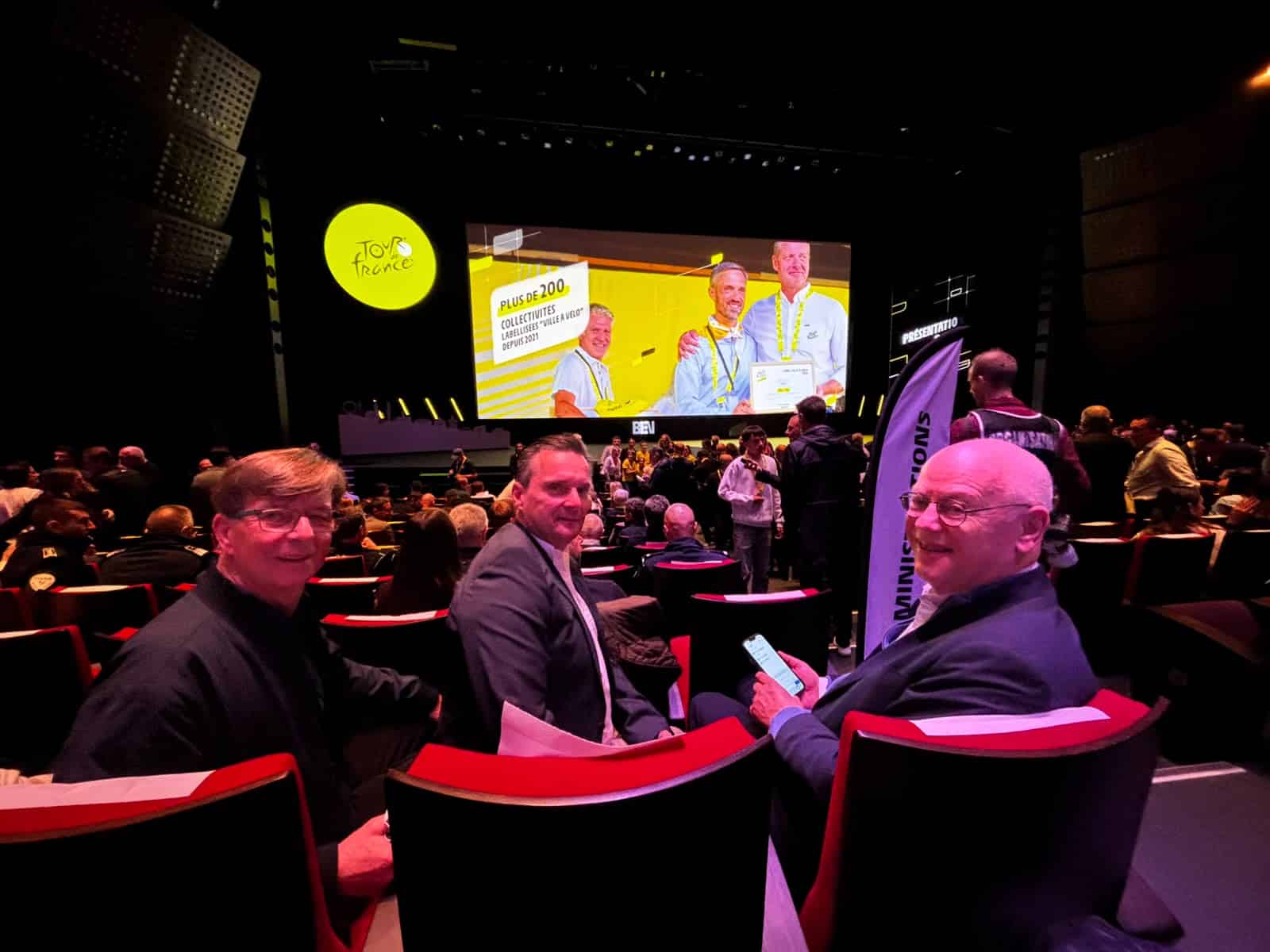
Great emotions, impressive route presentations and many inspiring encounters: A delegation from Grand Départ Allemagne e. V. was in Paris on October 22 for the official presentation of the Tour de France 2027. We return with many impressions and even greater motivation.
Last Thursday, the international cycling world gathered at the Palais des Congrès in Paris. The focus was on the presentations of the Tour de France and the Tour de France Femmes 2027. For us at Grand Départ Germany e. V., it was a special opportunity to experience the fascination of this extraordinary sporting event up close. With a large delegation, we traveled to Paris to watch the event, to make contacts, and to further our vision of a Grand Départ 2029 in Berlin and Central Germany.
The largest stage for cycling
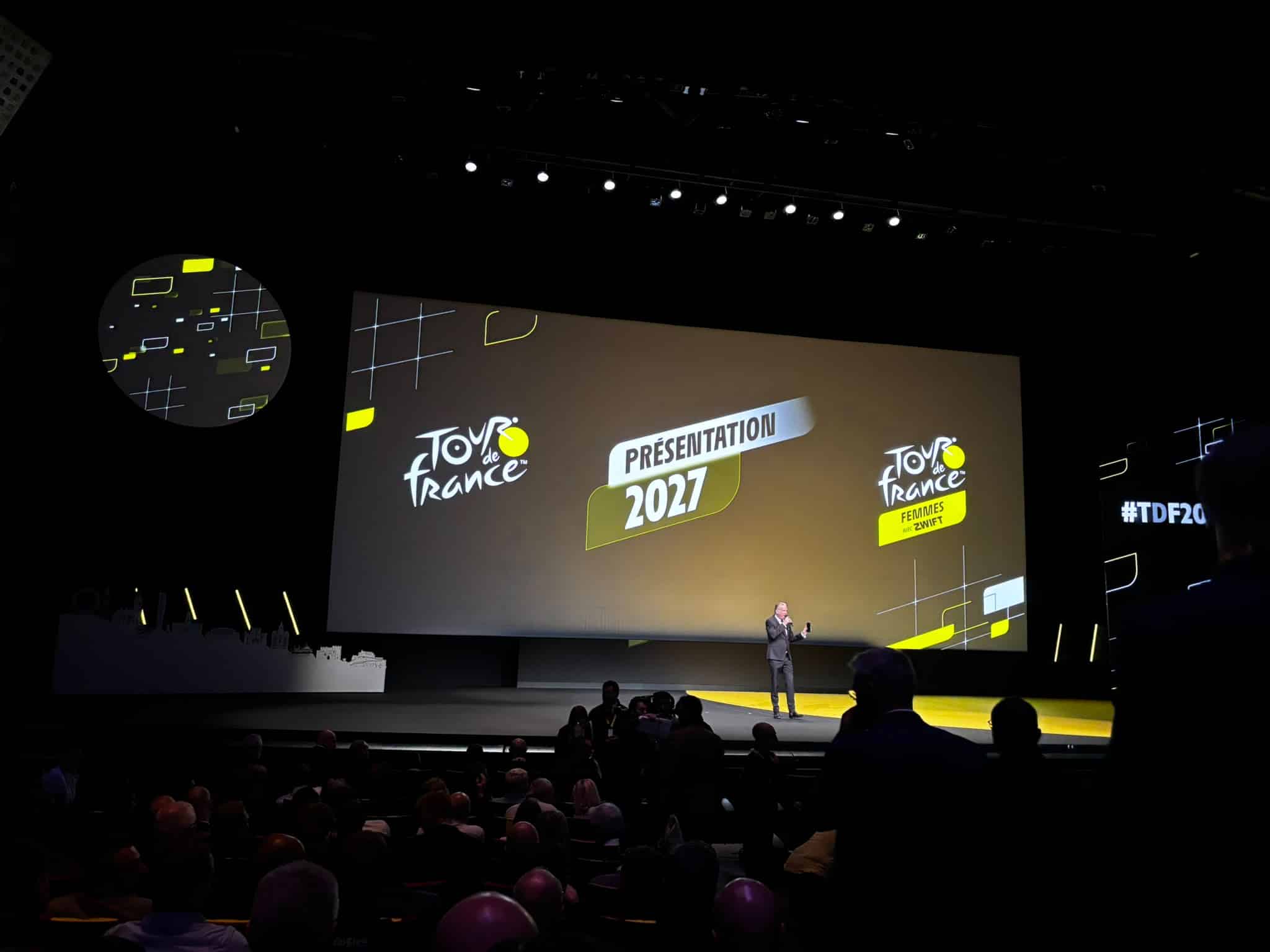
What particularly impressed us was the staging of the two road presentation videos. The visuals, the dramaturgy and the enthusiasm for cycling made it clear what special appeal the Tour de France has year after year.
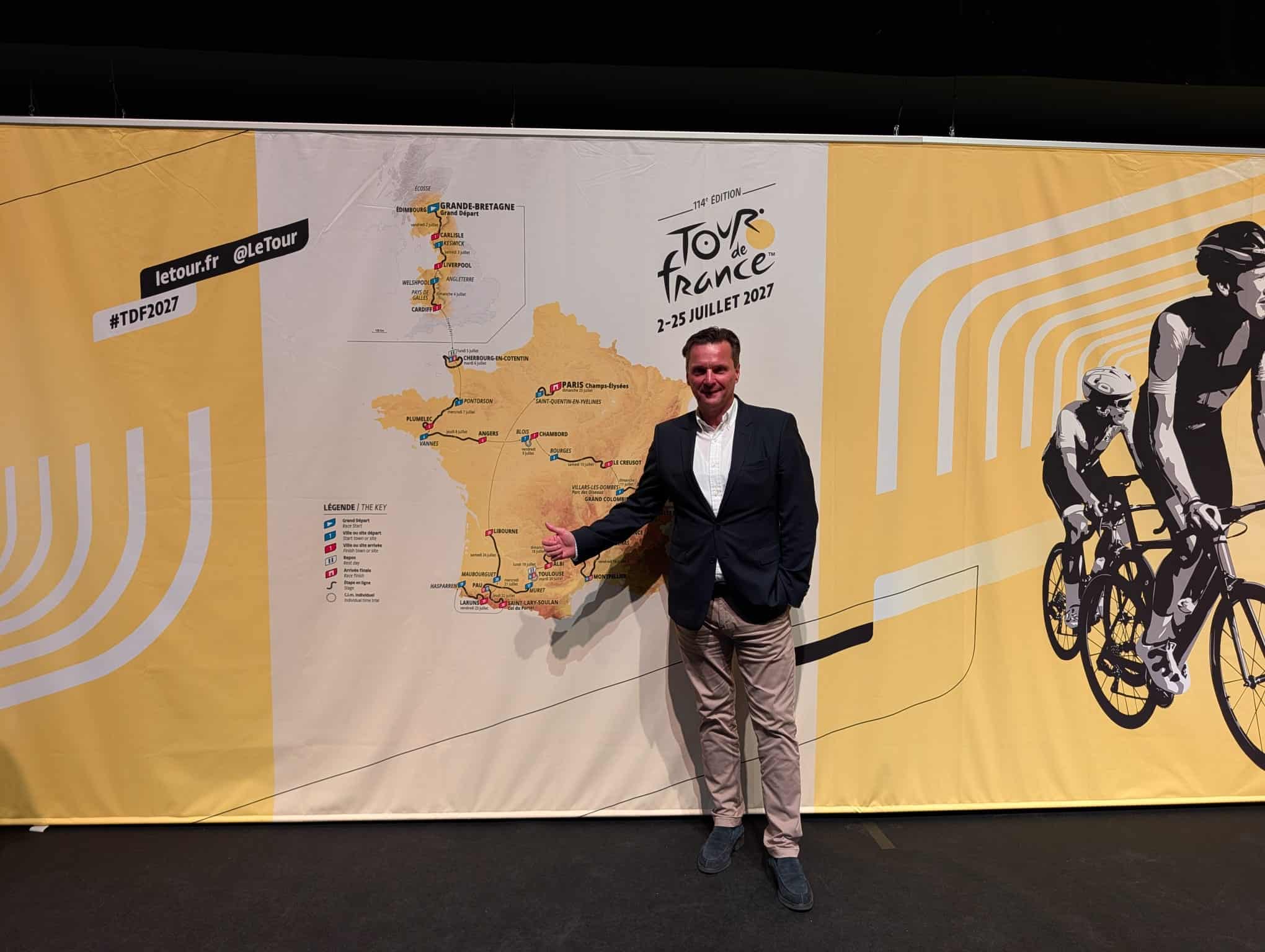
Tour Director for the A.S.O. - Amaury Sports Organisation, Christian Prudhomme, presented the course of the 114th Tour de France. Starting from the Grand Départ in Edinburgh, the route covers a total of 3,479 kilometers through Great Britain and France to the traditional finale in Paris. The program includes 21 stages, including two individual time trials and challenging mountain stages in the Alps and Pyrenees.
The Tour de France Femmes 2027 was also presented. Marion Rousse presented the route of the women’s race, which also begins with a Grand Départ in Great Britain. The event impressively demonstrated how far the importance of the Tour extends beyond the sporting competition. Each new route tells stories of people, cities, and regions that become part of a global sporting event for a few days. Just as important as the presentation itself were for us the many encounters that took place along the sidelines of the event. The trip offered the opportunity to engage in conversations with people from the international cycling world, cultivate existing contacts, and learn about new perspectives. We had many great conversations and once again felt how much cycling connects people across borders. Such encounters are of special importance for our initiative. Because the application for a Grand Départ is not just a matter of sporting organization. It is also about inspiring people with a common idea, building trust and developing long-term partnerships.
With new energy on the way to 2029
We traveled to Paris with great expectations. Upon returning, we were filled with new energy and, above all, with even greater motivation. Because at the very least, during the presentation of the routes, it became clear once again what it would mean if one day Berlin and Central Germany also stood on that stage.
The idea of being able to present our region, its people, its history and its cycling tradition as the host of a Grand Départ motivates us to continue working on our vision.
#granddepart2029 #granddepartallemagne #TDF2027
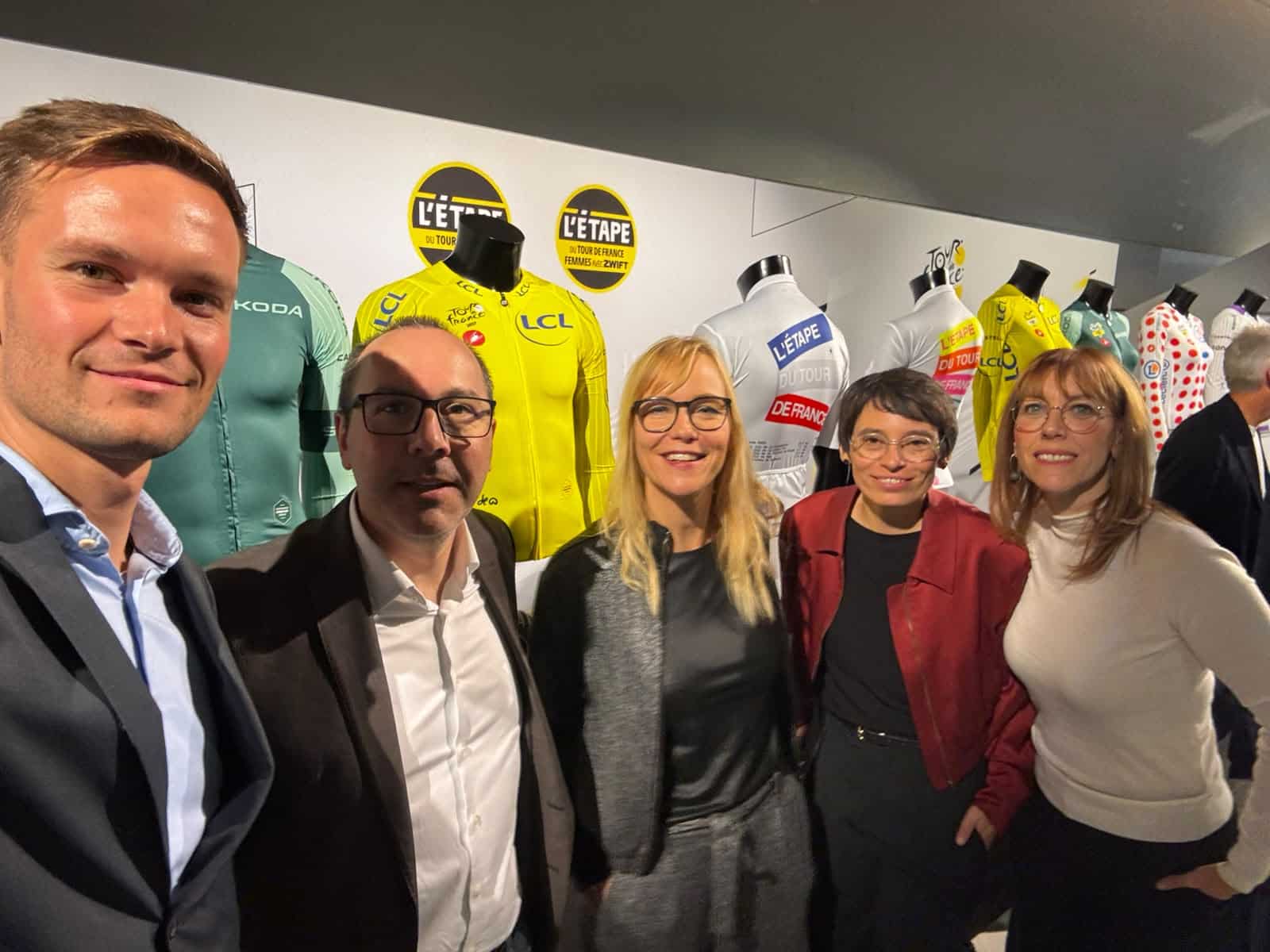
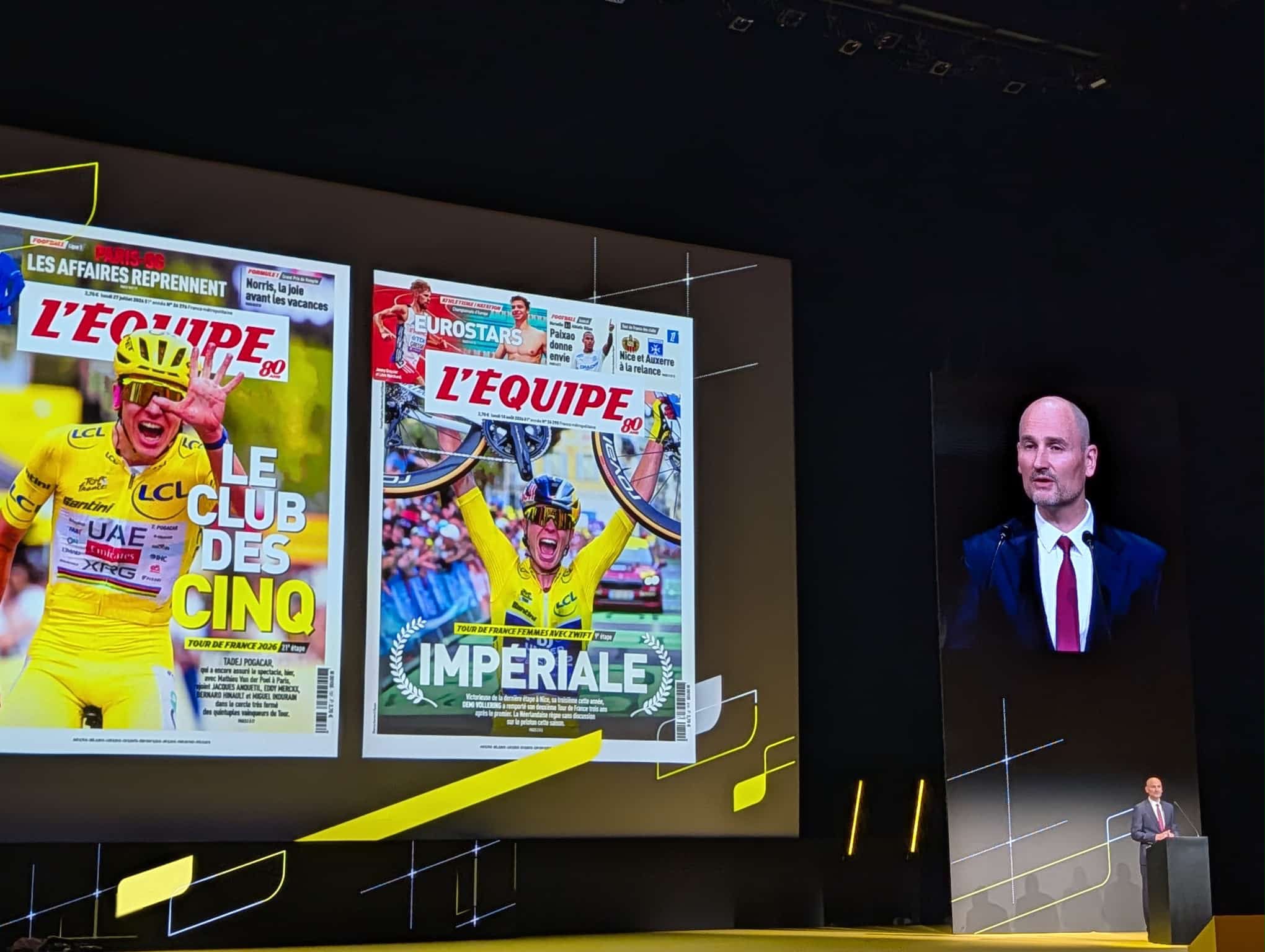
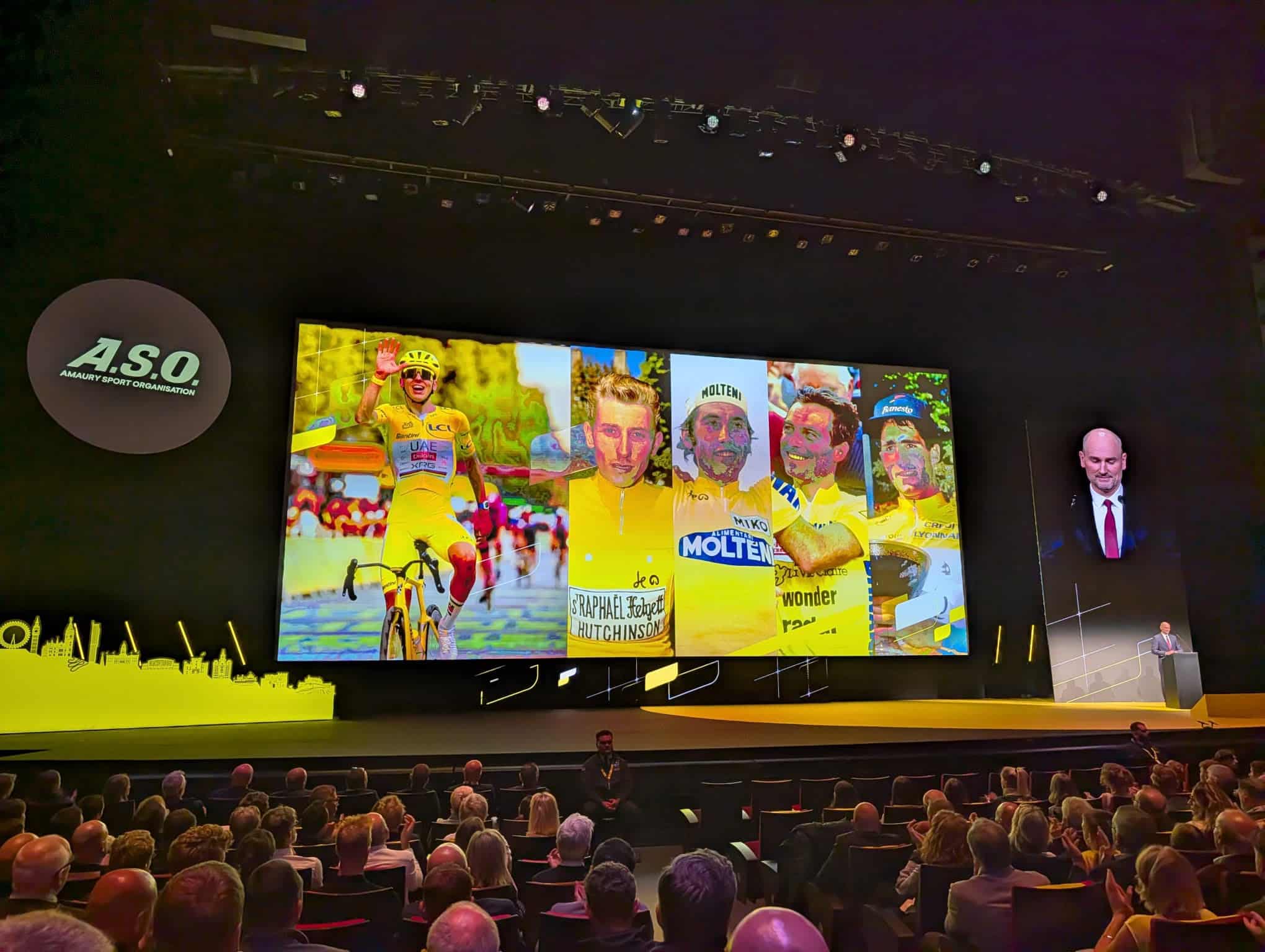 Photo: Grand Départ 2029 e.V.
The German bid for the Grand Départ of the Tour de France stands for a clear concept: an internationally compatible historical narrative, supported by three East German states and now also increasingly by Berlin.
Tour Director Christian Prudhomme has now publicly confirmed this line. In his statements, he makes it clear that Germany has a special appeal in international competition when the historical dimension of reunification is told in a visible way. The fall of the Berlin Wall in 1989 plays a central role in this.
Germany is a very important country in Europe, and the German-French friendship remains for me the engine of Europe.
Berlin as a symbolic prelude
In this context, Berlin is not an addition, but a narrative amplifier. As the site of the fall of the Berlin Wall, as an international metropolis and as the former Grand-Départ city of the Tour de France in 1987, Berlin reinforces the historical message of the bid. Especially with a view to possible host years such as 2029 or 2030, this narrative gains international comprehensibility.
Saxony, Saxony-Anhalt and Thuringia as the sporting backbone
At the same time, it is clear that the sporting core of the bid lies in Central Germany. Saxony, Saxony-Anhalt and Thuringia form the backbone of the concept. They stand for an established cycling tradition, for challenging route profiles and for regions whose history is closely linked to division and reunification.
This combination of Berlin symbolism and the East German stage concept is not a contradiction, but the strength of the application in terms of content.
Time perspective with substance
The discussion about possible alignment years shows that Germany has several viable options. Both 2029 and 2030 are years with clear historical significance. The decisive factor here is not the date alone, but the credibility of the overall story that is being told.
Classification
Christian Prudhomme's statements leave no doubt that Germany will be given special attention in the international competition for a future Grand Départ. The positive undertone of his classification underlines the potential that lies in the combination of Berlin symbolism and a strong sporting concept in Central Germany.
Now it is important to use this momentum together. If the federal government, federal states, regions and sport all pull together, this exceptionally good starting position can result in a bid that is internationally convincing and lives up to the claim of a Grand Départ in Germany.
Reporting
Impressions of the 2026 tour presentation
When international cycling gathers in Paris, it is about more than route profiles and stage locations. The 2026 Tour presentation – featuring the Grand Départ in Barcelona – was once again a meeting place for those who shape cycling: organizationally, politically, culturally.
The board of directors of Grand Départ 2030 e. V. was on site and experienced the presentation as what it is: a European showcase of cycling. Conversations with representatives of the Tour organizer, international officials, and decision-makers shaped the stay – open, informal, and on equal footing.
A special exchange took place with the mayor of Barcelona. The city is hosting the 2026 Grand Départ and serves as an exemplary model of what such a kickoff can generate: international attention, urban enthusiasm, and a close connection between the city, sports, and the public.
Paris made it clear once again what significance the Grand Départ has in a European context. It is not an isolated event, but part of a larger narrative—about regions, identity, mobility, and shared experiences. Anyone who listens here understands how much experience, attitude, and long-term thinking make the difference.
The stay in Paris was characterized by precisely these impressions. Of exchange, of observation, of understanding. And the certainty that cycling unfolds its greatest power where it connects people, cities and countries.